The Most Common Reasons Drivers Call Roadside Assistance in Canada
Canadian drivers deal with some of the toughest road conditions in the world. Between freezing winters, long highway drives, pothole-filled streets, and unpredictable weather, it’s no surprise roadside assistance calls happen every single day across the country.
Whether you drive through downtown Toronto, the mountain highways near Vancouver, or rural roads in Alberta, vehicle problems can happen when you least expect them. That’s why roadside assistance services have become an important safety net for drivers across Canada.
In many situations, calling a professional towing or roadside company can save you time, reduce stress, and keep you safe on busy roads. Companies offering services like Burnaby towing help drivers handle emergencies quickly, especially during heavy traffic or bad weather conditions.
Why Roadside Assistance Calls Increase in Canada
Canada’s climate plays a huge role in vehicle breakdowns. Snow, ice, rain, and extreme cold put extra stress on batteries, tires, engines, and electrical systems. Winter conditions also increase the risk of roadside emergencies, especially during cold snaps and storms.
Because of these conditions, roadside calls often rise during:
- Snowstorms
- Cold snaps
- Heavy rain periods
- Long holiday weekends
- Summer road trip season
The Most Common Roadside Assistance Problems
1. Dead Batteries
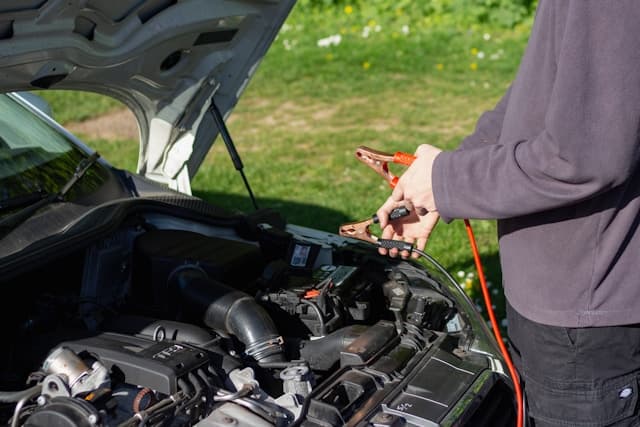
Dead batteries are one of the biggest reasons Canadians call roadside assistance every year. Cold weather weakens battery power dramatically. Even a healthy battery can struggle during freezing mornings, especially if the vehicle sits outside overnight.
Common signs of a weak battery include:
- Slow engine cranking
- Flickering dashboard lights
- Clicking sounds when starting
- Electrical issues
- Needing multiple jump-starts
How Drivers Can Prevent Battery Problems
| Prevention Tip | Why It Helps |
|---|---|
| Test your battery before winter | Detects weak batteries early |
| Keep terminals clean | Reduces corrosion issues |
| Avoid leaving electronics running | Preserves battery charge |
| Drive regularly | Keeps battery charged |
| Replace aging batteries | Prevents unexpected failures |
2. Flat Tires and Tire Damage
Flat tires are another extremely common roadside issue across Canada. Canadian roads can be rough on tires because of potholes, ice damage, construction debris, sharp gravel, and temperature-related pressure changes.
Winter weather creates even more problems. Snow and ice can hide road hazards, while cold temperatures reduce tire pressure naturally.
Signs You May Have Tire Trouble
- Vehicle pulling to one side
- Low tire pressure warnings
- Vibrations while driving
- Uneven tread wear
- Visible cracks or bulges
3. Lockouts
Getting locked out of your vehicle happens more often than people think. Busy schedules, distractions, and modern keyless systems can still lead to accidental lockouts.
During winter, lockouts become even more stressful because drivers may be stranded outside in freezing temperatures.
Roadside assistance companies commonly help with:
- Locked keys inside vehicles
- Broken key fobs
- Frozen locks
- Lost car keys
Tips to Avoid Lockouts
- Keep a spare key at home
- Replace weak key fob batteries
- Double-check keys before locking doors
- Use smartphone key tracking devices
4. Running Out of Fuel
Running out of gas still happens more often than many drivers admit. Long-distance highway driving, traffic congestion, winter detours, and inaccurate fuel readings can all lead to empty tanks.
This is especially risky in rural Canadian areas where gas stations may be far apart. Roadside assistance providers often offer emergency fuel delivery services to get stranded drivers back on the road safely.
Common Reasons Drivers Run Out of Fuel
- Ignoring low fuel warnings
- Long highway drives
- Heavy traffic
- Winter idling
- Fuel gauge issues
5. Vehicles Stuck in Snow or Ditches
Canadian winters create thousands of stuck vehicle situations every year. Snowbanks, icy roads, and slippery shoulders make it easy for vehicles to lose traction.
Even experienced drivers can slide into ditches during storms. Roadside assistance companies frequently provide winching services, vehicle recovery, snow extraction, and off-road towing.
6. Mechanical Failures
Sometimes a vehicle simply breaks down unexpectedly. Mechanical failures can happen because of worn parts, low fluids, ignored warning lights, or age-related issues.
Mechanical failures can include:
- Alternator problems
- Starter failures
- Transmission issues
- Engine overheating
- Broken belts
- Oil leaks
Warning Signs of Mechanical Problems
| Warning Sign | Possible Issue |
|---|---|
| Grinding noises | Brake or transmission issue |
| Smoke from engine | Overheating or fluid leak |
| Battery warning light | Alternator issue |
| Burning smell | Oil or electrical problem |
| Loss of power | Engine trouble |
Ignoring small warning signs often leads to larger and more expensive roadside emergencies later.
7. Car Accidents
Not every roadside assistance call involves a breakdown. Many towing calls happen after collisions.
Winter weather increases accident risks across Canada. Snow, freezing rain, and icy roads reduce traction and visibility. Even a minor accident can leave a vehicle unsafe to drive.
After an accident, towing companies help by:
- Removing damaged vehicles safely
- Clearing roads quickly
- Transporting vehicles to repair shops
- Assisting police and emergency crews
8. Overheating Problems
Although overheating is often associated with summer, it can happen year-round in Canada. Long mountain drives, towing trailers, or sitting in traffic can all increase overheating risks.
Common causes include:
- Low coolant
- Broken radiators
- Thermostat failures
- Cooling fan problems
If steam starts coming from under the hood, drivers should safely pull over and call for assistance rather than continuing to drive.
How Canadian Weather Impacts Roadside Emergencies
Weather is one of the biggest reasons roadside assistance demand remains high across Canada. Every season creates different risks for drivers.
| Season | Common Problems |
|---|---|
| Winter | Dead batteries, snow recovery, collisions |
| Spring | Pothole tire damage |
| Summer | Overheating, long-distance breakdowns |
| Fall | Battery failures, wet-road accidents |
What Drivers Should Keep in Their Vehicle
Being prepared can reduce stress during roadside emergencies. A small emergency kit can make a big difference when you are stuck, delayed, or waiting for help.
Recommended Emergency Kit Items
- Jumper cables
- Flashlight
- Phone charger
- Blanket
- Small shovel
- Ice scraper
- Tire pressure gauge
- Portable battery booster
- First aid kit
- Reflective safety triangles
When You Should Call Roadside Assistance
Drivers should contact roadside assistance immediately if:
- The vehicle is unsafe to drive
- Traffic conditions are dangerous
- There is visible engine smoke
- The car will not restart
- A tire blowout occurs on the highway
- The vehicle slides into a ditch
- There is collision damage
Trying to continue driving with mechanical issues can make damage worse and increase safety risks.
Final Thoughts
Roadside emergencies can happen to any driver, even those who maintain their vehicles carefully. In Canada, weather conditions make these situations even more common.
Dead batteries, flat tires, lockouts, fuel problems, and winter-related incidents remain the biggest reasons drivers call roadside assistance every year. Fortunately, professional towing and roadside companies help Canadians stay safe and get back on the road quickly.
Regular maintenance, seasonal inspections, and emergency preparedness can reduce the chances of getting stranded. But when problems happen unexpectedly, having access to reliable roadside assistance can make a stressful situation much easier to manage.